Get To Be familiar with The Historical backdrop Of Western Medication

Western medication follows its beginnings to old Greece, where Hippocrates, perceived as the dad of Western medication, made critical commitments. Close by him, Roman doctor Galen likewise assumed an imperative part in forming wellbeing and medication in the Western world. After some time, the comprehension of medication advanced from crediting diseases to dark wizardry to embracing science-based information and present day clinical practices.
THE GREEKS AND ROMANS
During the Roman period, doctor Dioscorides distributed the historic clinical text, De Materia Medica, which stayed powerful among European specialists for quite a long time. Galen's hypotheses centered around body lopsided characteristics in regards to dark bile, yellow bile, mucus, and blood, which overwhelmed Western wellbeing ideas until the mid-nineteenth hundred years. The two Romans and Greeks presented the progressive idea that infections emerged from outside factors, testing the overarching conviction that ailments were ramifications of indecent activities or dark sorcery. Hippocrates upgraded this comprehension by itemizing home grown cures and arranging different diseases, while Galen made critical progressions in medical procedure and drugs.
Great Cleanliness, Wellbeing, AND THE FALL OF THE ROMAN Realm
The Romans recognized the basic job of cleanliness in wellbeing support, as proven by their improvement of plumbing frameworks and public bathhouses across their realm. They might have likewise settled early medical clinics in Europe. Be that as it may, with the downfall of the Roman Realm, clinical practices turned out to be vigorously impacted by the Catholic Church, which underlined confidence recuperating and supplication. During the Campaigns, Romanesque clinical hypotheses were once again introduced to Europe, prompting the foundation of pharmacists and clinical colleges in the thirteenth and fourteenth hundreds of years. The Renaissance denoted a recovery of the standards upheld by Hippocrates and Galen.
WORLD'S FIRST Immunization
In the late eighteenth hundred years, further advancement in Western medication was accomplished when Edward Jenner, an English doctor, fostered the primary immunization for smallpox, addressing a fantastic leap forward. In any case, a portion of Galen's techniques, like douches, phlebotomy, and the organization of prescription to prompt perspiring or retching, acquired prevalence regardless of their absence of viability and possible dangers to patients. The late nineteenth century saw a decrease in these practices as new, precise clinical ideas arose. Louis Pasteur's microbe hypothesis exhibited the association among microorganisms and sickness. Government sterilization drives and the boundless utilization of immunizations essentially upgraded individual cleanliness and wellbeing norms. Nursing perceived as a genuine clinical calling, and doctors progressively pushed for customary activity, a fair eating routine, and sufficient daylight.
THE Twentieth Hundred years
The twentieth century checked phenomenal progressions in Western medication. The improvement of protected and powerful pain killers, blood bonding strategies, penicillin, and high level clinical gear changed patient consideration. Immunizations for sicknesses, for example, tuberculosis and lockjaw were presented, and insulin became fundamental in diabetes therapy. Today, doctors benefit from a different exhibit of therapies, significant ventures, and state of the art clinical innovation, empowering an uncommon norm of clinical consideration.
THE GREEKS AND ROMANS
During the Roman period, doctor Dioscorides distributed the historic clinical text, De Materia Medica, which stayed powerful among European specialists for quite a long time. Galen's hypotheses centered around body lopsided characteristics in regards to dark bile, yellow bile, mucus, and blood, which overwhelmed Western wellbeing ideas until the mid-nineteenth hundred years. The two Romans and Greeks presented the progressive idea that infections emerged from outside factors, testing the overarching conviction that ailments were ramifications of indecent activities or dark sorcery. Hippocrates upgraded this comprehension by itemizing home grown cures and arranging different diseases, while Galen made critical progressions in medical procedure and drugs.
Great Cleanliness, Wellbeing, AND THE FALL OF THE ROMAN Realm
The Romans recognized the basic job of cleanliness in wellbeing support, as proven by their improvement of plumbing frameworks and public bathhouses across their realm. They might have likewise settled early medical clinics in Europe. Be that as it may, with the downfall of the Roman Realm, clinical practices turned out to be vigorously impacted by the Catholic Church, which underlined confidence recuperating and supplication. During the Campaigns, Romanesque clinical hypotheses were once again introduced to Europe, prompting the foundation of pharmacists and clinical colleges in the thirteenth and fourteenth hundreds of years. The Renaissance denoted a recovery of the standards upheld by Hippocrates and Galen.
WORLD'S FIRST Immunization
In the late eighteenth hundred years, further advancement in Western medication was accomplished when Edward Jenner, an English doctor, fostered the primary immunization for smallpox, addressing a fantastic leap forward. In any case, a portion of Galen's techniques, like douches, phlebotomy, and the organization of prescription to prompt perspiring or retching, acquired prevalence regardless of their absence of viability and possible dangers to patients. The late nineteenth century saw a decrease in these practices as new, precise clinical ideas arose. Louis Pasteur's microbe hypothesis exhibited the association among microorganisms and sickness. Government sterilization drives and the boundless utilization of immunizations essentially upgraded individual cleanliness and wellbeing norms. Nursing perceived as a genuine clinical calling, and doctors progressively pushed for customary activity, a fair eating routine, and sufficient daylight.
THE Twentieth Hundred years
The twentieth century checked phenomenal progressions in Western medication. The improvement of protected and powerful pain killers, blood bonding strategies, penicillin, and high level clinical gear changed patient consideration. Immunizations for sicknesses, for example, tuberculosis and lockjaw were presented, and insulin became fundamental in diabetes therapy. Today, doctors benefit from a different exhibit of therapies, significant ventures, and state of the art clinical innovation, empowering an uncommon norm of clinical consideration.
latest_posts
- 1
 Scientists discover black hole flare with the light of 10 trillion suns
 - 2Astronauts on the ISS watched NASA's historic Artemis 2 launch from space
- 3NASA just launched Artemis 2. What happens today could make or break the moon mission
- 45 Home Improvement Styles: Decision in favor of Your #1
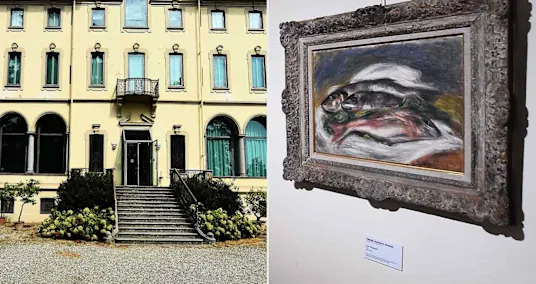
- 54 Masked Men Steal Renoir, Matisse and Cézanne Paintings Worth Over $10 Million in 3-Minute Heist




- Venus shines at its best in spring and summer 2026 — here's what to look for
- The Main 15 Applications for Efficiency and Association
- Miley Cyrus flashes a diamond ring on the red carpet, sparking engagement rumors with Maxx Morando: A timeline of their four-year relationship
- The Best Internet based Retailers for Style and Frill
- AfD in Brandenburg takes back suit against the intelligence service
- German finance minister sees advantages of smartphones in schools
- Volkswagen Plant Could Pivot From Building Cars to Supporting Iron Dome Systems
- Tech for Wellbeing: Applications and Devices for a Better You
- Instructions to Construct an Organization While Chasing after a Web-based Degree