The World Health Organization issued new guidelines Monday recommending the use of GLP-1 drugs for treating obesity.
In the new guidelines, the United Nations health agency made two key recommendations — first, that GLP-1 therapies may be used by adults for long-term treatment of obesity, except for pregnant women. It also recommended intensive behavioral therapy, including changes related to diet and exercise, alongside the use of the medications.
"Obesity is a major global health challenge that WHO is committed to addressing by supporting countries and people worldwide to control it, effectively and equitably. Our new guidance recognizes that obesity is a chronic disease that can be treated with comprehensive and lifelong care," Dr. Tedros Adhanom Ghebreyesus, director-general of the WHO, said in a news release. "While medication alone won't solve this global health crisis, GLP-1 therapies can help millions overcome obesity and reduce its associated harms."
Both recommendations, however, are considered "conditional." WHO noted that the first recommendation is considered "conditional" due to limited data on the medications' long-term efficacy and safety, as well as costs and other factors. The second recommendation was graded "conditional" based on "low-certainty evidence" that intensive behavioral therapy enhances GLP-1 treatment outcomes.
Still, the organization calls the drugs "more than a scientific breakthrough."
"They represent a new chapter in the gradual conceptual shift in how society approaches obesity-from a 'lifestyle condition' to a complex, preventable, and treatable chronic disease," says an article published online Monday in the peer-reviewed medical journal JAMA. The article was co-written by Francesca Celletti, who is senior advisor for obesity at WHO's Nutrition and Food Safety department.
The World Health Organization highlighted the importance of equitable access to GLP-1 drugs, saying that it is calling for "urgent action on manufacturing, affordability, and system readiness to meet global needs."
"Even with rapid expansion in production, GLP-1 therapies are projected to reach fewer than 10% of those who could benefit by 2030," WHO says.
Well-known brand names of GLP-1 drugs in the U.S. include Ozempic and Mounjaro, which are FDA approved for treating diabetes, and Wegovy and Zepbound, which are approved for weight loss.
WHO estimates that obesity affects more than 1 billion people globally and was associated with 3.7 million deaths last year. It also notes that in September, it added GLP-1 therapies to its "Essential Medicines List" for managing type 2 diabetes in groups that are high-risk.
"With the new guideline, WHO issues conditional recommendations for using these therapies to support people living with obesity in overcoming this serious health challenge, as part of a comprehensive approach that includes healthy diets, regular physical activity and support from health professionals," the agency said in its news release Monday.
Trump reacts to report alleging Hegseth gave verbal order on no survivors in Venezuela boat strike
For blind climber Jesse Dufton, there is little that's out of reach
latest_posts
- 1
 Reveal Less popular Authentic Realities You Didn't Learn in School
 - 21st results from Blue Ghost lunar lander reveal how much we still don't know about the moon
- 3Picking Your Next SUV: 4 Brands Offering Execution, Solace, and Wellbeing
- 4Airport wait times won't return to normal until Congress reaches a deal to pay TSA. Here's why they still can't come to an agreement.
- 5Eleven arrested over mass shooting in South Africa tavern





- Takeda's AI-crafted psoriasis pill succeeds in late-stage studies
- 'Israel has the right to continue its attacks,' Lebanese Foreign Minister announces
- Spanish bishops and government sign deal for compensation of church sexual abuse victims
- Remains of banker missing since 1999 found on California beach by family looking for seashells
- 10 Moving Design Frill for Summer 2023
- As nations push for more ambition at climate talks, chairman says they may get it
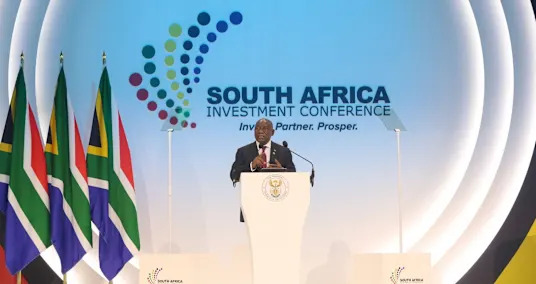
- South Africa pushes for $200B investment
- Satellites capture aftermath of Ethiopian volcano's 1st eruption in recorded history (images)
- Strength training is crucial after menopause. How to make the most of your workouts