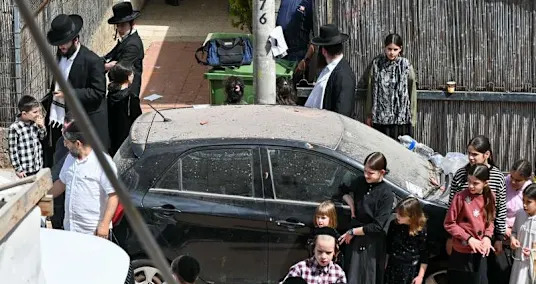
Iran and its Lebanese Hezbollah militia proxy on Thursday fired rockets again at Israel, where people are currently celebrating Passover.
In the morning, warning sirens sounded repeatedly in northern Israel. Two men were slightly injured by a Hezbollah rocket, the Magen David Adom emergency service said.
An Iranian rocket also aimed at the north was fitted with cluster munitions, Israeli media reported. The use of cluster munitions is widely banned internationally because they can scatter explosive devices uncontrollably over large areas and are particularly dangerous for civilians.
There was also repeated fire at Israel overnight. A rocket alert was triggered in the coastal metropolis of Tel Aviv, among other places. Magen David Adom reported several people with minor injuries from broken glass in a suburb of Tel Aviv, including two babies.
The week-long Passover festival began on Wednesday evening for Jews around the world. It commemorates the exodus of the Israelites from Egypt and their liberation from slavery.
latest_posts
- 1
 In blow to Lula, Brazil Congress revives controversial environmental bill
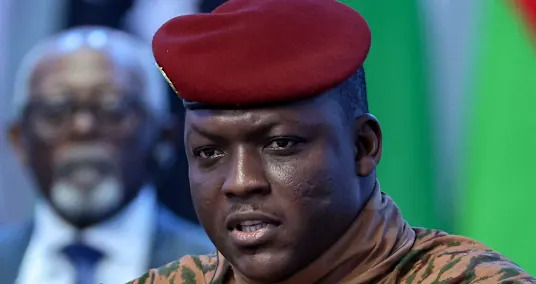
 - 2Burkina Faso must 'forget' about democracy, military leader says
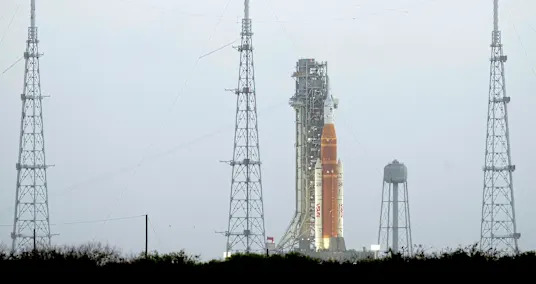
- 3NASA begins fueling rocket to launch astronauts on the first lunar trip in half a century
- 4This Week In Space podcast: Episode 192 — Space, 2026!
- 5Dirty soda started as a Mormon alternative to booze. Now it's everywhere.



- Former school bus aide pleads guilty to assaulting 3 autistic students in Colorado
- Five EU states press for windfall taxes on fossil energy sector
- Big Bear glows with big stars | Space photo of the day for Dec. 31, 2025
- 'Wicked: For Good' was filmed at this surreal National Park in Egypt
- 'Here we go again': Businesses grapple with fuel costs
- Tesla Stock Hasn’t Looked This Cheap in a While
- Is 'Stranger Things' releasing one last episode? The 'Conformity Gate' fan theory explained as speculation mounts.
- Cyber Monday 2025 streaming deal: Get $42 off six months of Apple TV
- Jason Kelce opens about wife Kylie Kelce's past pregnancy loss