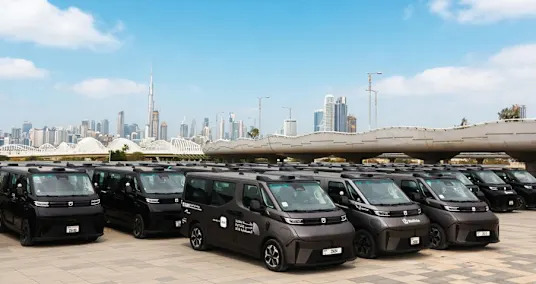
The dream of driverless taxis continues in the Gulf, where the conflict with Iran has slowed but not stopped progress on autonomous transport in Abu Dhabi, Dubai, and Riyadh.
Uber and WeRide added another driverless route in Saudi’s capital this week, linking shopping centers Hayat Mall and Riyadh Gallery. The expanded service comes after the vehicles completed more than 1,700 trips in a trial phase, according to the regulator.
Uber and WeRide have also launched fully driverless services in Dubai, beginning in popular residential and commercial areas Jumeirah and Umm Suqeim, with no safety monitor on board. Separately, Dubai Taxi Company plans to deploy more than 1,000 driverless cars in the city with Baidu’s Apollo Go, starting with a fleet of 50 this year. Earlier this month, Autogo, part of Abu Dhabi-backed technology company K2, began offering rides on Yas Island, and it plans to expand to Saadiyat and Al Maryah islands.
All this is bad news for the region’s taxi drivers, a largely South Asian group whose business is already down due to the conflict with Iran.
latest_posts
- 1
 Civilian toll mounts in Iran as war presses on
 - 2Yemen's Houthis ready to join Iran war if needed, raising new shipping risk
- 3‘Wicked: For Good’ streaming release — How to watch the sequel starring Ariana Grande and Cynthia Erivo
- 4Iran war fuels fears of new inflation wave among German consumers
- 5Kuwait is softening stance on Israel, dissident tells ‘Post’ after viral UN speech





- Famous Restroom Beautifying Styles For 2024
- ByHeart infant formula recall tied to botulism outbreak puts parents on edge
- Dick Van Dyke shares his secrets to longevity as he turns 100
- A Texas GOP congressman is retiring. Trump just endorsed his identical twin to replace him.
- 5 VIPs That Changed Style
- US FDA unveils new pathway to approve personalized therapies
- 10 times the sky amazed us in 2025
- German economic institutes cut forecast in half over Iran war
- Anthony Joshua's driver charged over Nigeria crash that killed two